The question we hear most is how long to run each zone. The answer depends on what kind of heads the zone has, the soil, how much sun the area gets, the season and how much rain has fallen. Here is how to work it out.
Why head type matters most
Spray heads put down water quickly. They usually need short run times.
Rotors put down water slowly and cover larger areas. They need much longer run times, often two to four times as long as sprays for the same amount of water.
Rotary nozzles on spray bodies fall in between.
Drip is measured in gallons per hour and runs much longer still.
A controller with every zone set to the same time is almost always wrong, because the zones have different heads.
The can test
- Set six or more straight-sided containers across a zone: near heads, between heads, at the edges.
- Run the zone for 15 minutes.
- Measure the water depth in each can and average it.
If 15 minutes puts down a quarter inch, then an hour a week puts down about an inch. Uneven cans mean a coverage problem that no schedule will fix. See broken sprinkler heads.
How much water a week
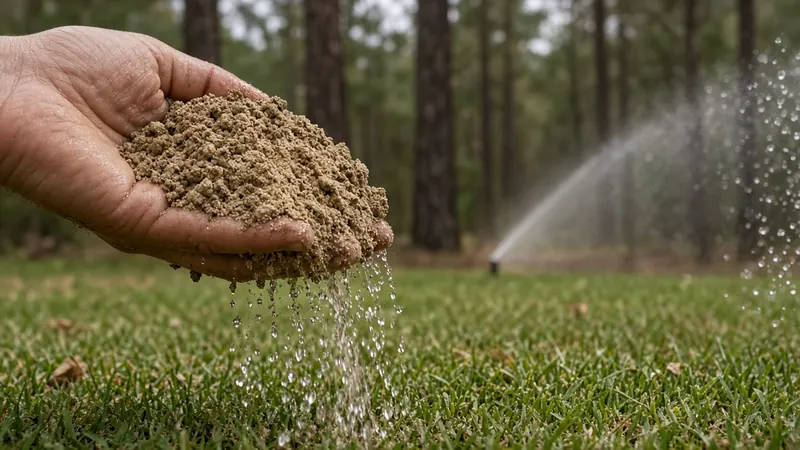
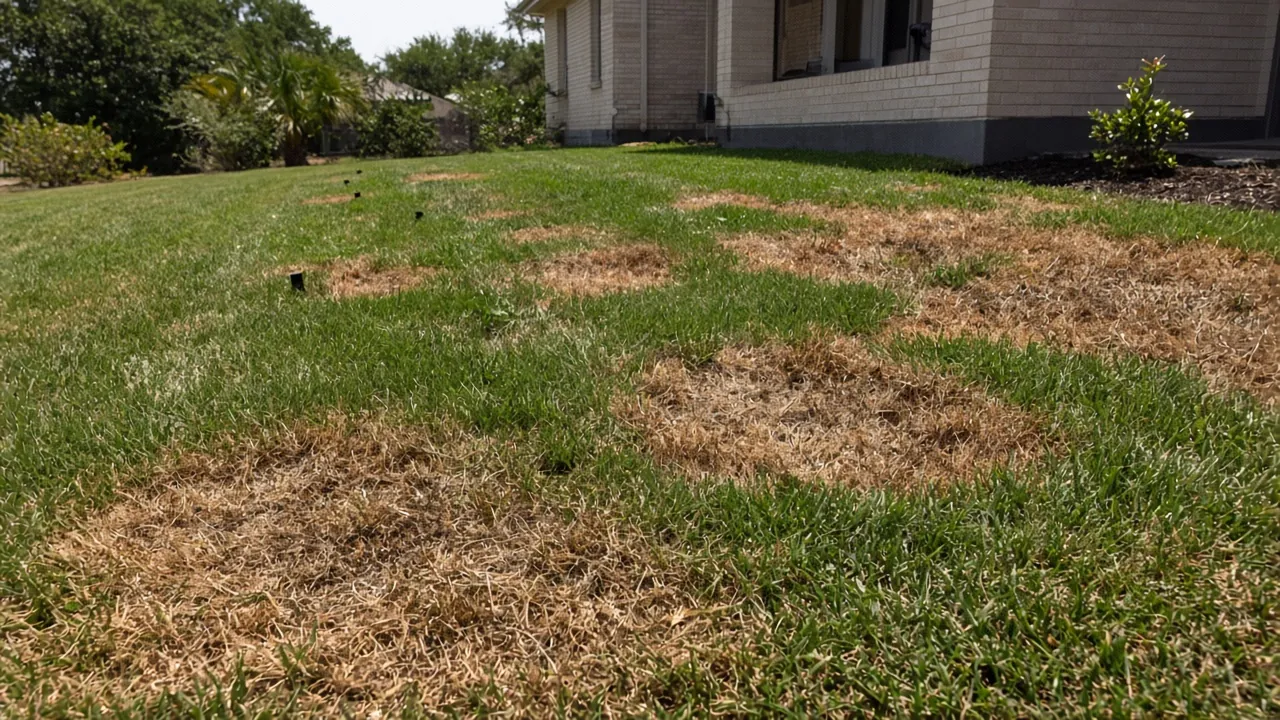
Established warm-season lawns, like St. Augustine and Bermuda, generally do well with roughly an inch of water a week in the heat of summer, counting rain, and much less in spring and fall. That is a starting point, not a rule. Shade needs less. Full sun on sand may need a bit more.
Check the depth
A few hours after watering, push a long screwdriver into the soil. It should slide in easily to about the depth of the roots, typically 4 to 6 inches. If it stops at an inch or two, water longer. If the soil is soggy far below, water less. On sandy soil, water drains quickly, so very long runs push water below the roots.
Split long runs if water puddles
If water puddles or runs off before a zone finishes, split the run into two or three shorter cycles with a break between. That lets water soak in.
Adjust by season and rain
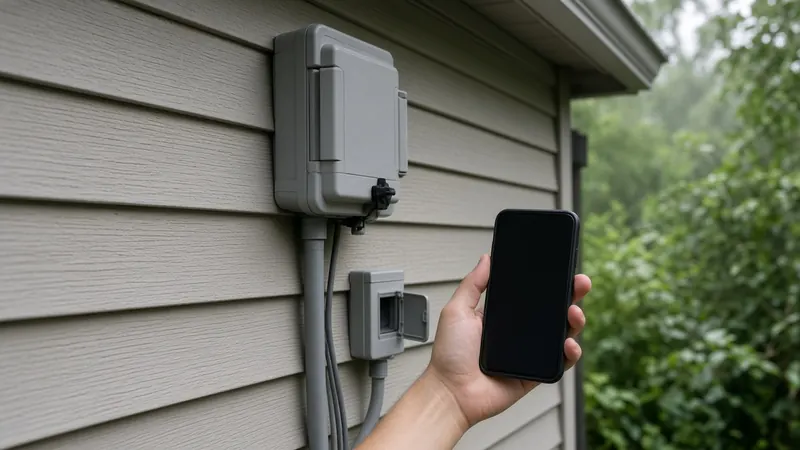
Use the controller’s seasonal adjustment. Turn it down in spring and fall. Let the rain sensor hold it off after rain. In a drought stage, follow your provider’s rules. See controller and rain sensor setup.
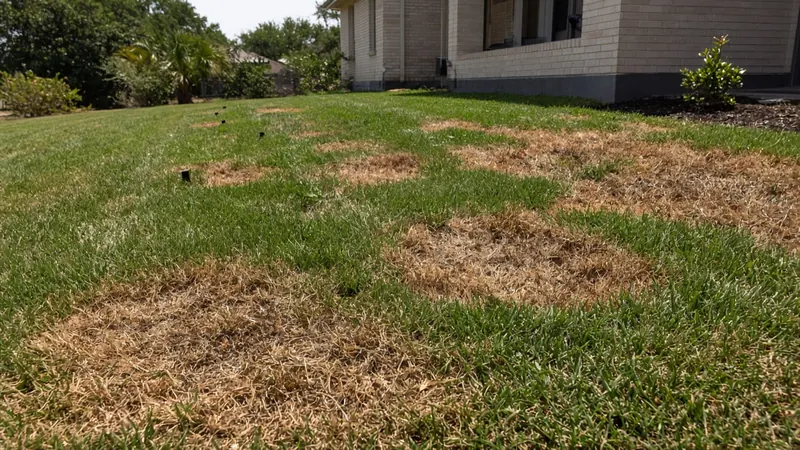
Signs you are watering too much
- Soggy soil and mushrooms
- Fungus in St. Augustine in spring or fall
- Water running down the curb
- A high bill
Signs you are watering too little
- Bluish-gray grass and curled blades
- Footprints that stay in the grass
- Soil hard and dry a few inches down
Call us
If you want each zone measured and set, call (346) 627-2444.
Have a question this did not answer? Call (346) 627-2444 and ask. More articles on the blog.