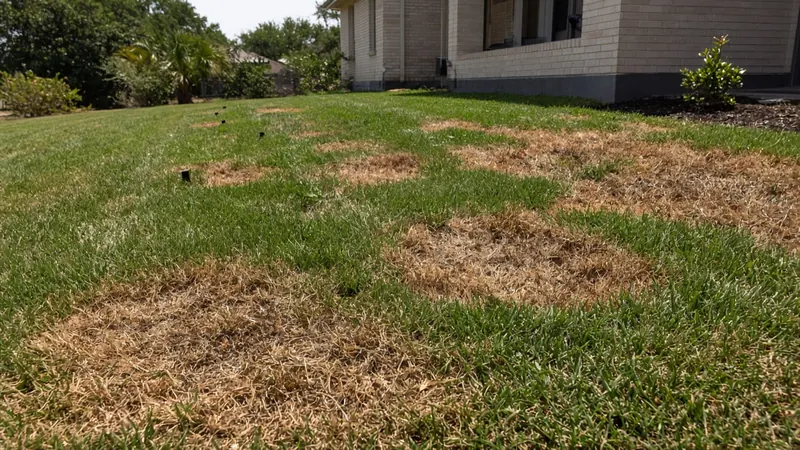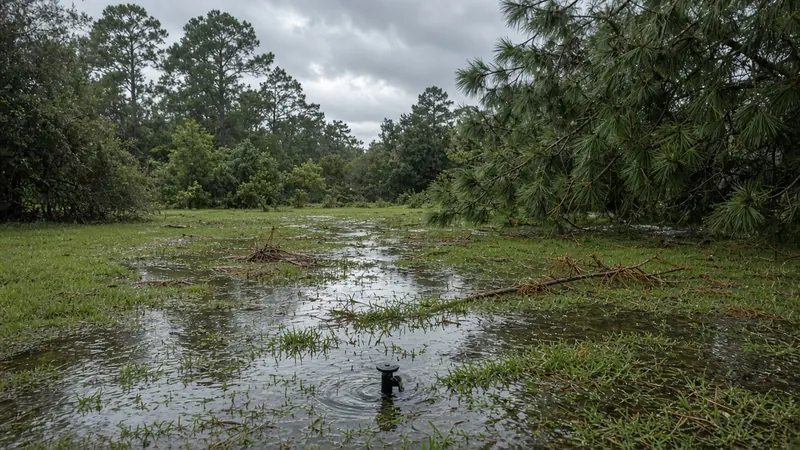
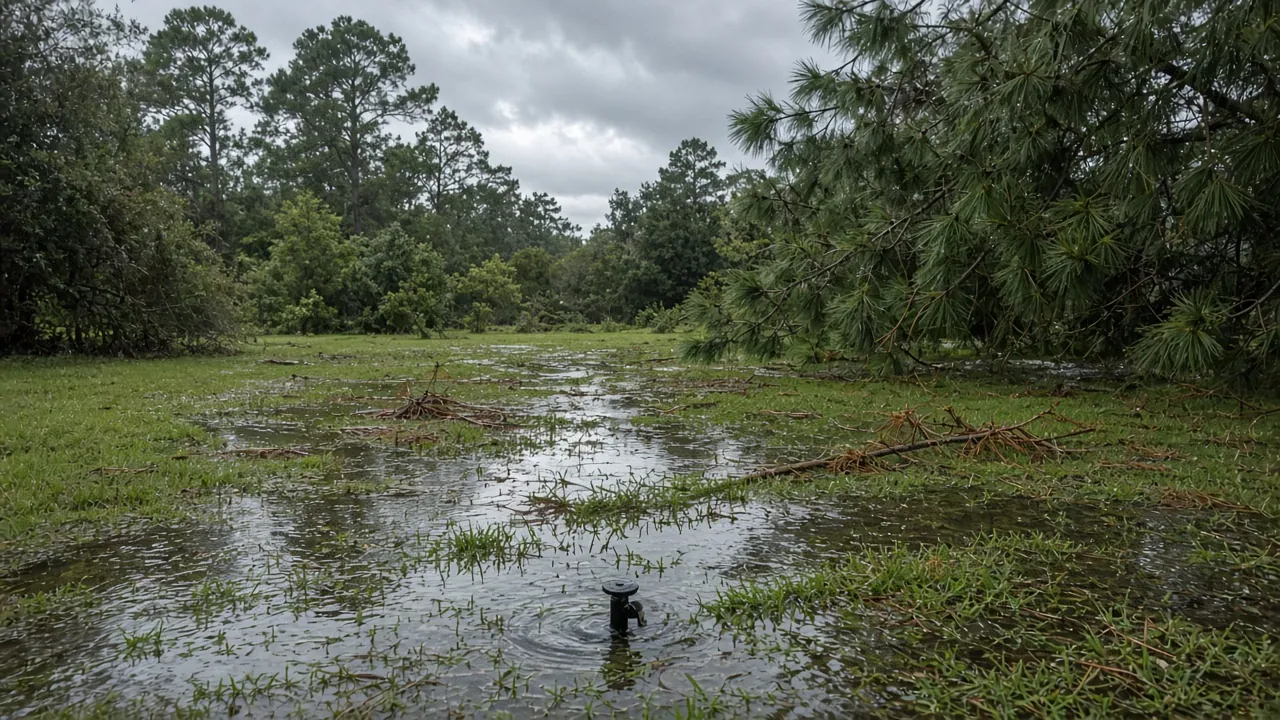
A sprinkler controller does exactly what it is told, every time, until someone changes it. In southeast Texas, where weather swings from weeks of drought to inches of rain in a day, a controller that is never adjusted wastes a lot of water and can still leave the lawn stressed. Here is how to set one up well.
Start with one clean program
Many controllers have several programs, often labeled A, B and C. Over the years, owners and installers add programs and start times and forget about them. The result is zones running twice as often as anyone intended.
- Look at every program and every start time.
- Delete programs you do not need.
- Put lawn zones in one program and beds or drip in another if they need different schedules.
- Make sure each zone has one run time in one program, unless you are using cycle and soak on purpose.
Start times
Water early in the morning, before the heat of the day and while wind is calm. Add up all the zone run times in a program to make sure the last zone finishes early, and within any hours your water provider allows. Remember that each extra start time runs every zone in the program again.
Watering days
Use the days your water provider allows. In a drought stage, they may restrict days further. See who sets the watering rules.
Seasonal adjustment
Most controllers have a seasonal adjust or water budget percentage. Set run times for peak summer at 100 percent, then lower the percentage in spring and fall. In winter, many weeks need no watering at all. This one setting saves more water than almost anything else.
Rain sensors
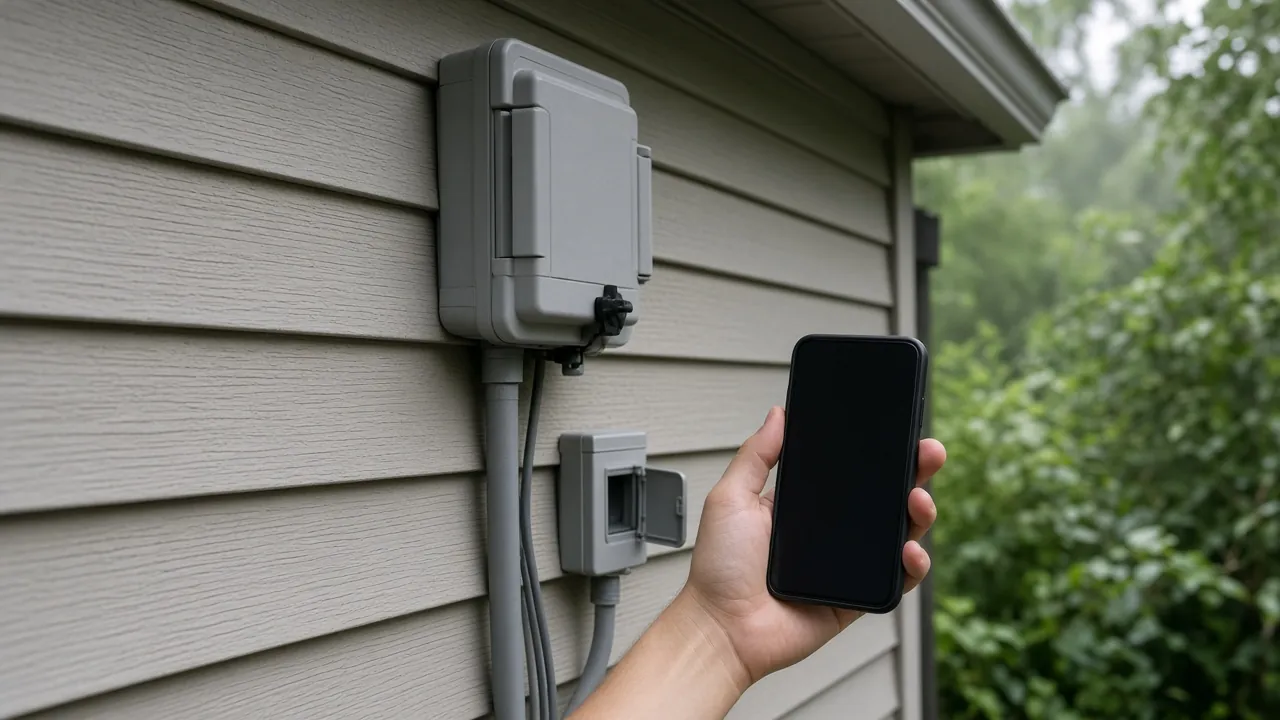
Texas rules require new automatic irrigation systems to include a rain or moisture shut-off device, and existing systems must add one when the controller is replaced. A rain sensor stops the system from watering during or after rain.
To check yours:
- Make sure it is mounted where rain can reach it, with open sky above, and not in the spray of a head
- Make sure the controller’s sensor setting is active, not bypassed
- Press the test button, or wet the sensor while a zone runs, and confirm the zone stops
- Replace batteries in wireless sensors
Many sensors around here are knocked off by storms or have wires cut by roofers and gutter installers.
Smart controllers
Smart controllers use weather data to adjust watering automatically. They can save a lot of water, especially for people who never adjust the schedule. They work best when each zone is set up with the correct head type, soil, sun and slope. A smart controller cannot fix a broken head or a leak, so fix the system first.
Lightning and surges
Thunderstorms are frequent here. Lightning and surges can damage controller outputs or transformers. A controller with surge protection, or a surge protector on the outlet, helps. If the controller acts strangely after a storm, see checking your sprinklers after a storm.
Battery and power
Many controllers have a backup battery that keeps the time and programs during a power outage. Replace it when the controller tells you to, or once a year.
Call us
If you want the controller set up and the sensor tested, call (346) 627-2444. We do it on every repair visit.
Sources
Have a question this did not answer? Call (346) 627-2444 and ask. More articles on the blog.