St. Augustine is the most common lawn grass in many neighborhoods north of Houston. It handles heat and some shade, but it browns for several different reasons. Adding water fixes some of them and makes others worse.
Sprinkler coverage problems
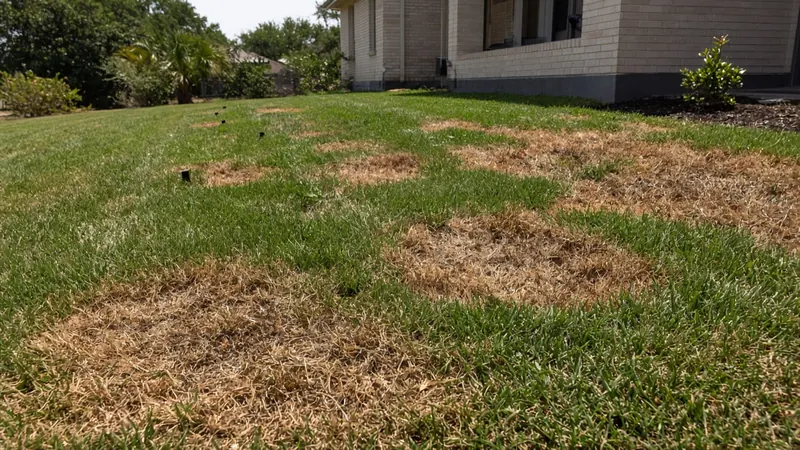
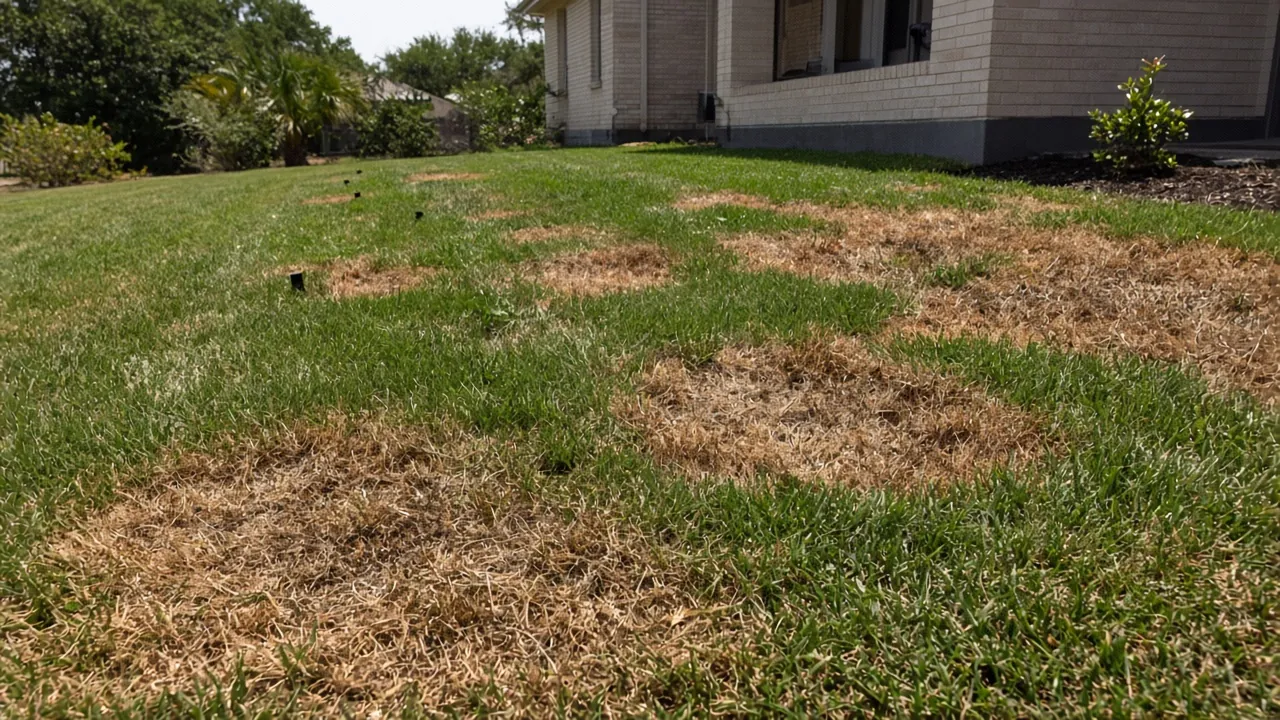
Signs: brown stripes along driveways and sidewalks, brown areas between heads, rings around a head, one zone browning as a whole.
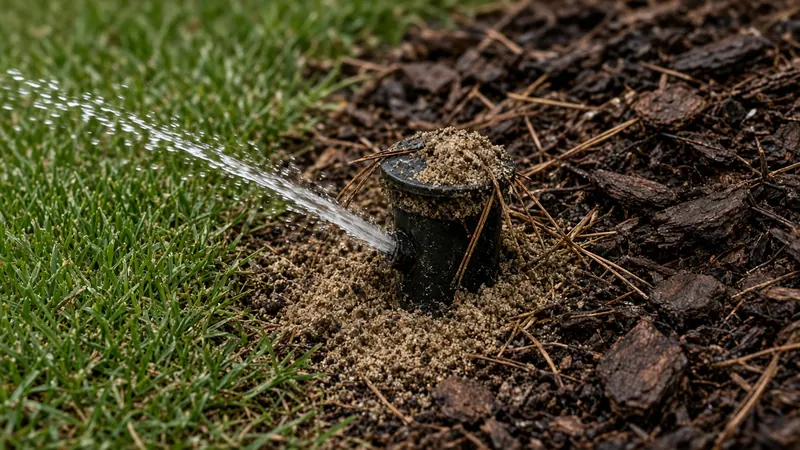
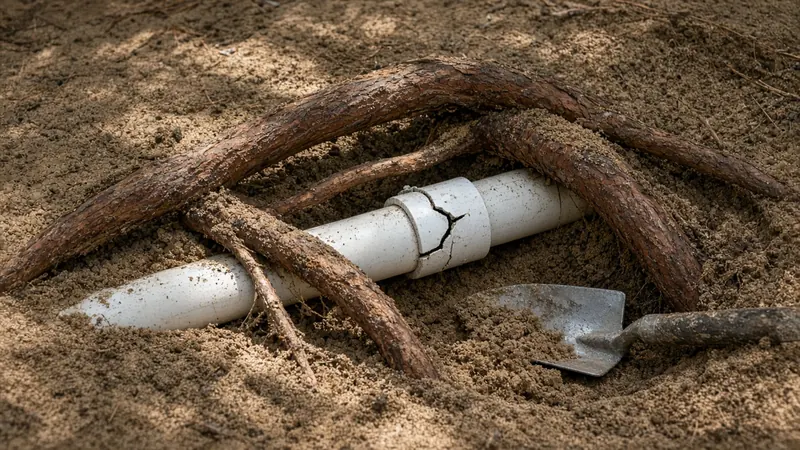
Why: broken, buried or tilted heads, clogged nozzles, mismatched nozzles, heads spaced too far apart, low pressure on an overloaded zone.
Check: run the zone and watch. Do a can test. See how long to run sprinklers.
Fix: repair and match heads, clean nozzles, fix pressure.
Fungal disease
Signs: circular or irregular patches that can grow, often with a yellowish or orange edge, usually in spring and fall when nights are cool and the lawn stays wet. Leaf blades may pull easily from the runner.
Why: prolonged leaf wetness, overwatering, evening watering, poor drainage and heavy nitrogen at the wrong time.
Fix: water early in the morning only, cut back on water, improve drainage, avoid heavy fertilizer in cool wet weather. Fungicides help in some cases. The Texas A&M AgriLife Extension turf program has good guidance.
Chinch bugs
Signs: yellowing then browning patches in hot, dry weather, often starting in the sunniest spots near pavement. The patch spreads outward. Small insects at the soil line.
Why: chinch bugs feed on St. Augustine, especially stressed turf.
Fix: identify first, then treat according to label directions. Even watering helps reduce stress.
Grubs
Signs: turf that pulls up like a loose carpet because the roots are gone.
Fix: identify and treat as recommended.
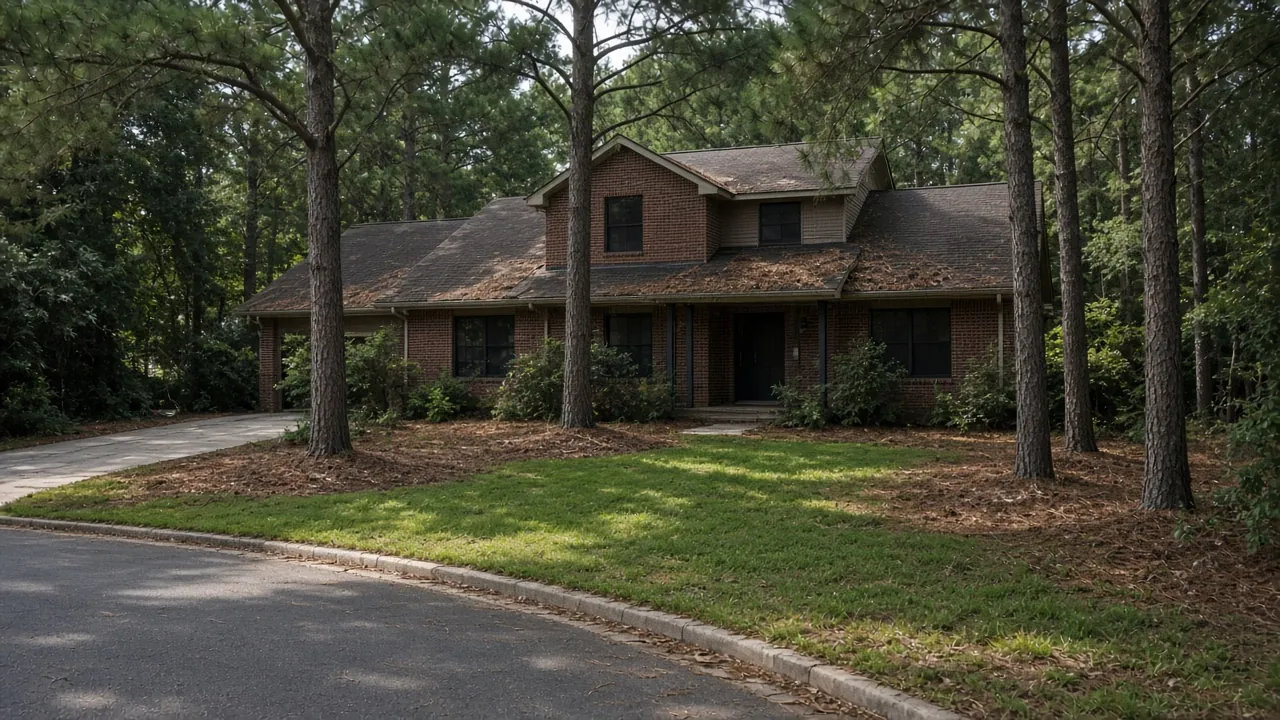
Shade decline
Signs: thin, weak grass under trees that gets worse each year.
Why: too little light, often with too much water.
Fix: less water on shade zones, more light, or a different groundcover. See pine trees and sprinkler lines.
The common thread
Overwatering makes fungus and shade decline worse. Underwatering in hot spots invites chinch bugs. Even coverage and the right amount of water reduce all of these.
Call us
If you think the sprinklers are causing brown patches, call (346) 627-2444. We will check coverage and pressure.
Sources
Have a question this did not answer? Call (346) 627-2444 and ask. More articles on the blog.