In a big city like Dallas or Houston, one utility sets the watering rules for everyone. Around New Caney it is more complicated. Neighbors a mile apart can have different water providers with different rules. Before you set a sprinkler schedule, it helps to know who yours is.
The three kinds of providers
Cities. Kingwood is part of the City of Houston, so Houston’s water conservation and drought contingency rules apply there. Humble, Splendora, Roman Forest, Patton Village and other incorporated cities run or contract their own water service and set their own rules.
Municipal utility districts (MUDs). Much of the newer development in New Caney, Porter and Valley Ranch is inside MUDs. A MUD is a local district that provides water, sewer and often drainage for a subdivision or group of subdivisions. Each MUD has a board and can adopt its own drought contingency plan and irrigation rules.
Private water companies. Some areas, especially older unincorporated neighborhoods and rural areas, are served by investor-owned water companies. They also have drought contingency plans filed with the state.
How to find out who yours is
Look at your water bill. The name at the top is your provider. Their website or the back of the bill usually lists conservation rules, drought stages and contact information. If you are in an HOA neighborhood, the HOA newsletter often passes along MUD watering notices too.
Drought stages
Texas water providers are required to have drought contingency plans. In normal times the rules may be voluntary or limited to things like not watering in the heat of the day. As a drought gets worse, providers can move to stages that limit watering to certain days, shorten allowed hours, or ban sprinklers. Notices go out by mail, email, text alerts or a sign at the subdivision entrance.
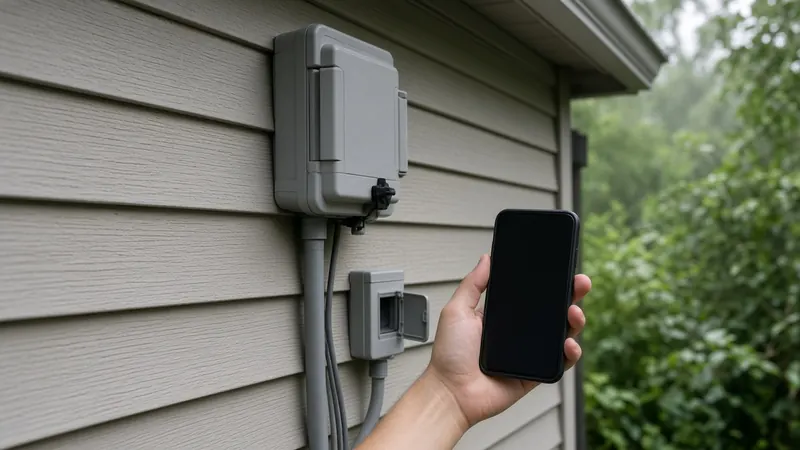
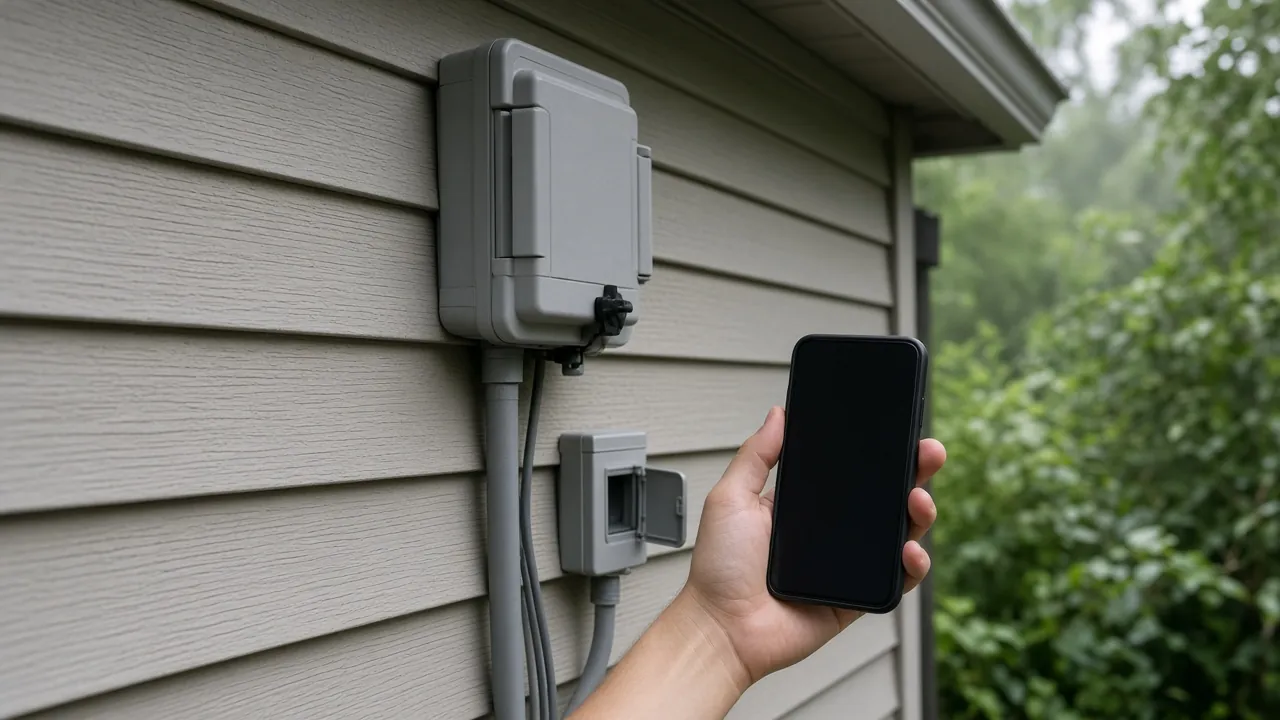
When a stage changes, update the controller. That usually means changing the watering days and confirming every program finishes within the allowed hours.
Groundwater and why it matters
Much of the water in Montgomery County comes from wells drawing on the Gulf Coast Aquifer. The Lone Star Groundwater Conservation District manages groundwater pumping in the county. Providers that pump from wells are under pressure to conserve, which is one reason lawn watering gets attention in dry summers.
Rules that apply everywhere in Texas
A few things come from state rules for irrigation systems rather than your provider:
- New automatic systems must have a rain or moisture shut-off device, and so must existing systems when the controller is replaced.
- Systems should not spray onto impervious surfaces like driveways, sidewalks, streets and walls.
- New systems need backflow prevention and an isolation valve between the meter and the backflow device.
- Irrigation work must be done by or under a licensed irrigator, except a homeowner working on their own home.
Those are in the Texas Administrative Code, Title 30, Chapter 344.
Setting a sensible schedule
Whatever your provider’s rules, a few habits fit nearly everywhere here:
- Water early in the morning. Less evaporation and wind, and grass dries during the day.
- Adjust by season. Summer needs the most water. Spring and fall need much less. Many winter weeks need none.
- Do not water in the rain. A working rain sensor handles this.
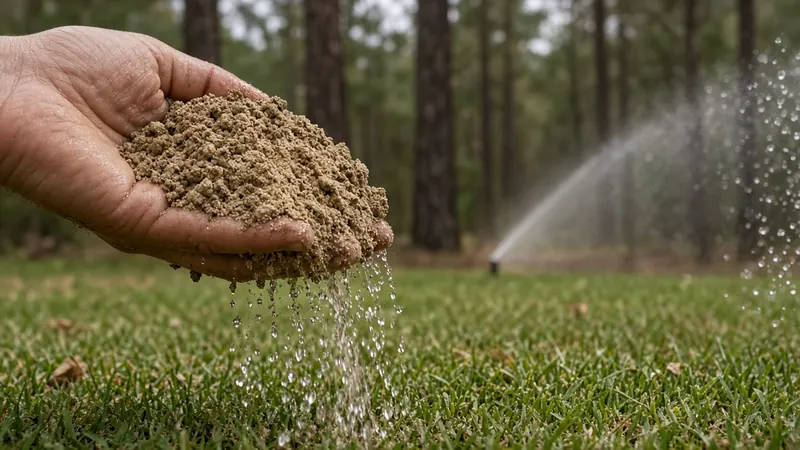
- Match run times to the soil. Sandy soil drains quickly. See watering sandy soil.
- Keep water off concrete. It is wasteful and against state irrigation rules for new systems.
Need help?
If you are not sure which rules apply or how to set your controller, call (346) 627-2444. We set the schedule on every repair visit.
Sources
- 30 Texas Administrative Code §344.62, minimum design and installation requirements
- Lone Star Groundwater Conservation District
Have a question this did not answer? Call (346) 627-2444 and ask. More articles on the blog.