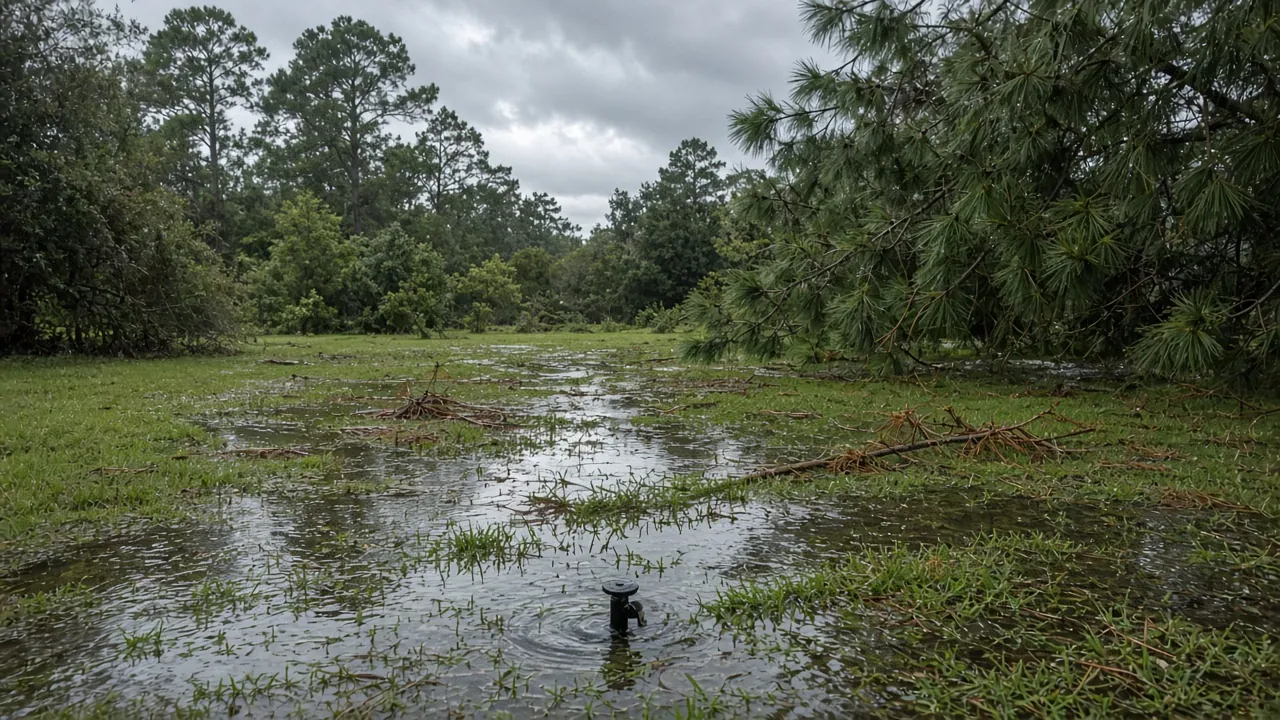
East Montgomery County and northeast Harris County get heavy rain, thunderstorms and the occasional tropical system. Areas along the San Jacinto River and Lake Houston, including parts of Kingwood and Humble, have seen serious flooding. Sprinklers are low on the list after a big storm, but when you get to them, here is what to check.
Leave it off until the ground dries
There is no reason to run sprinklers right after heavy rain. A working rain sensor should hold the system off, but many sensors are broken or bypassed. Set the controller to Off or rain delay until the soil dries.
1. Controller and power
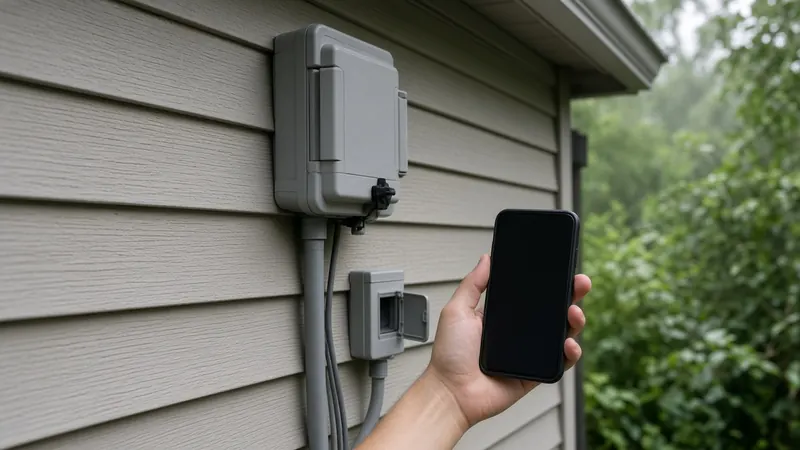
Lightning and power surges damage controllers and their transformers. Look for:
- A blank or frozen screen
- Lost programs or wrong date and time
- Error messages or blinking stations
- A burned smell or scorch marks
If the controller is outside or in a garage that flooded, have it checked before plugging it back in. Water and electricity do not mix.
2. Rain sensor
Make sure the sensor is still mounted and connected. Storms knock them off gutters and fences. Press its test button or wet it while a zone runs to confirm it stops the zone.
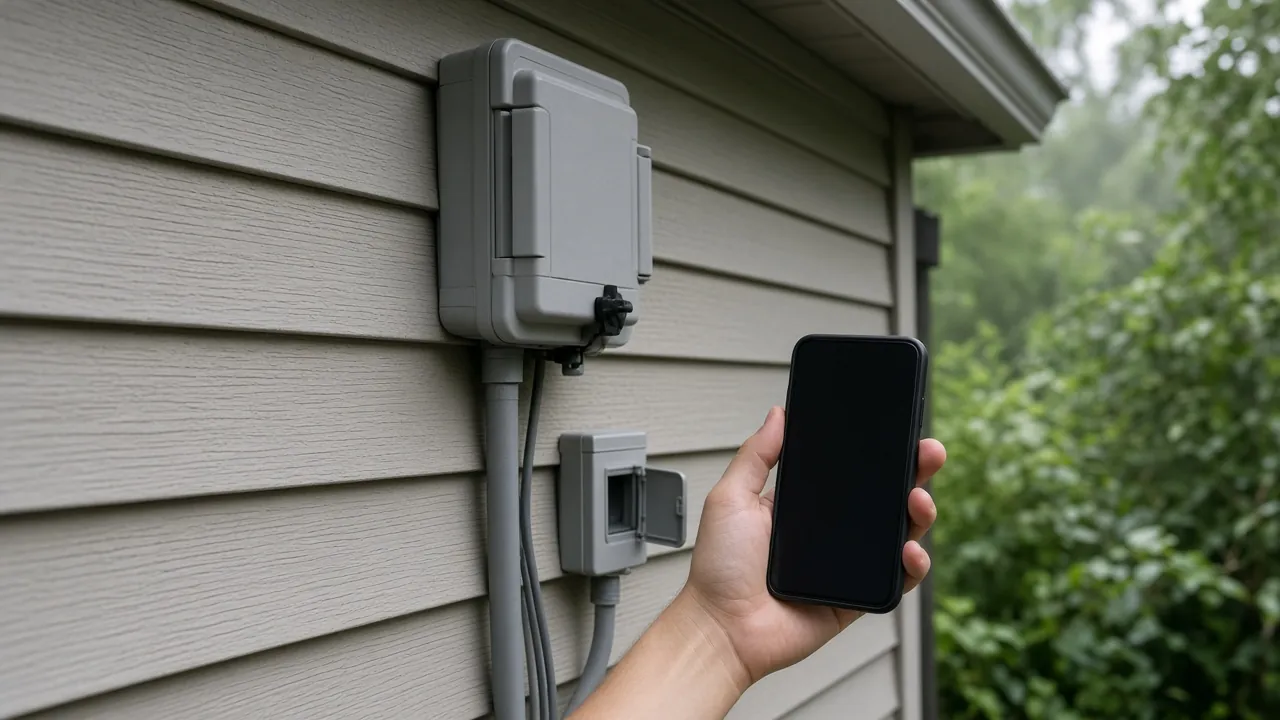
3. Valve boxes
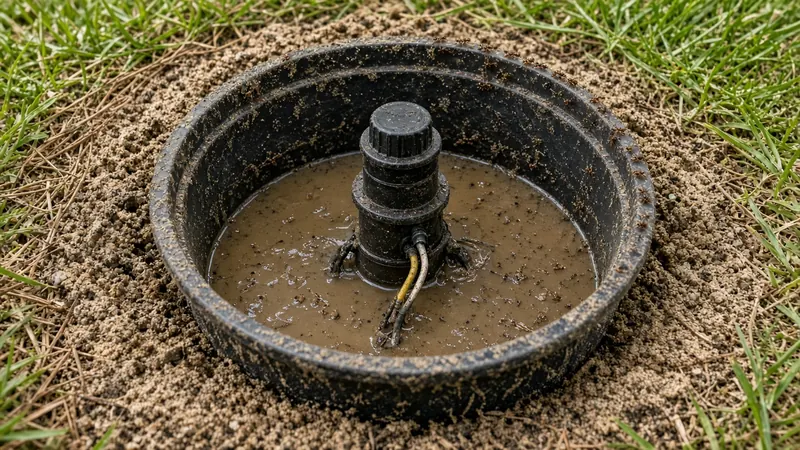
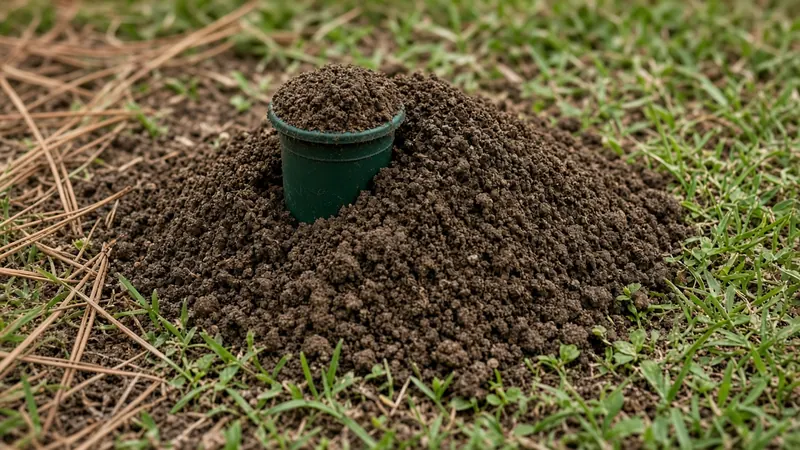
Open each valve box. After heavy rain they can be full of silt and water. Silt can get into the valves and keep them from closing. Fire ants also move into boxes after flooding. See fire ants in valve boxes. Clear the box enough to see the valve and splices.
4. Run each zone and walk it
When the ground is dry enough, run each zone manually:
- Heads that stay down may be packed with silt
- Geysers mean broken heads or risers, often from limbs or vehicles
- Water bubbling up means a broken line
- Exposed pipe means the soil washed out
5. Backflow device
Check the backflow device near the house for damage from debris or high water.
After flooding
If water stood over the yard, silt and debris can get into the system. Flushing zones with the end head removed, cleaning head screens, and checking valves helps. If floodwater was contaminated, be cautious about the irrigation system until it has been checked, and make sure the backflow device is working.
Insurance
Whether storm damage to an irrigation system is covered depends on the policy. Take photos before repairs. We can describe the damage and the repair so you can ask your insurer.
Call us
If the storm left the system not working right, call (346) 627-2444. Tell us what happened and what you see.
Have a question this did not answer? Call (346) 627-2444 and ask. More articles on the blog.