The February 2021 winter storm reminded everyone in southeast Texas that hard freezes happen here too. Many sprinkler systems came through with cracked backflow devices and split pipes. Most of that damage could have been prevented with a few simple steps.
What is most at risk
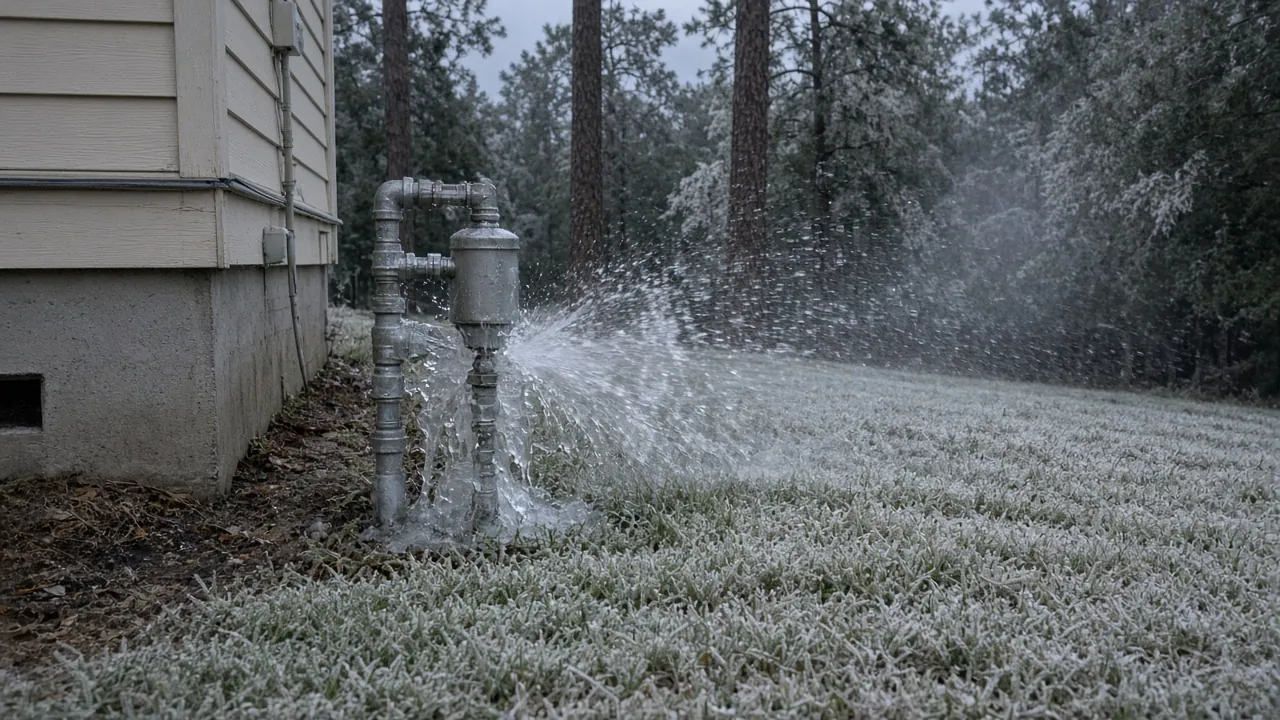
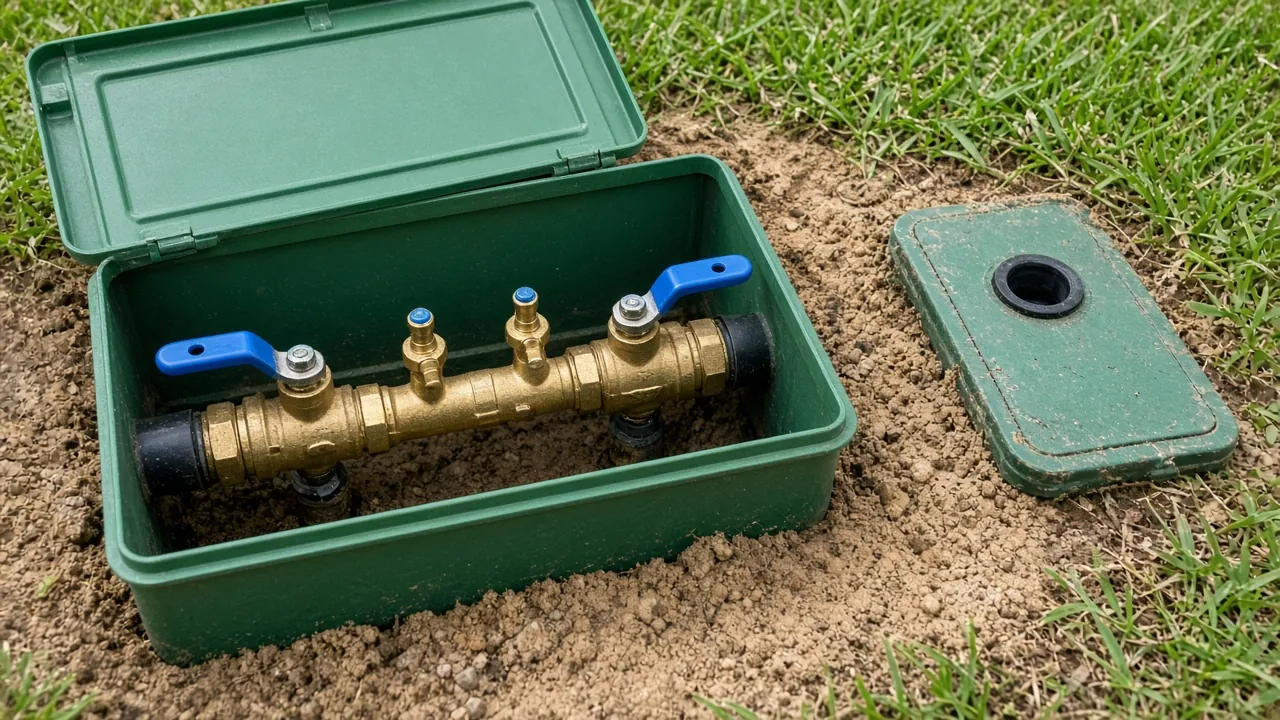
The backflow device sits above ground near the house, full of water and exposed to wind. It is the part most likely to crack.
Exposed pipe leading to and from the backflow device.
Shallow lines and heads in a long, hard freeze.
Before a hard freeze
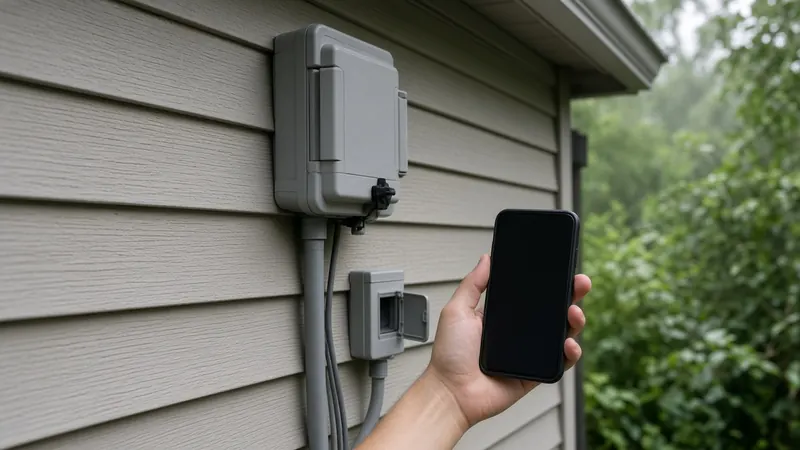
- Turn the controller off so it does not water during the freeze.
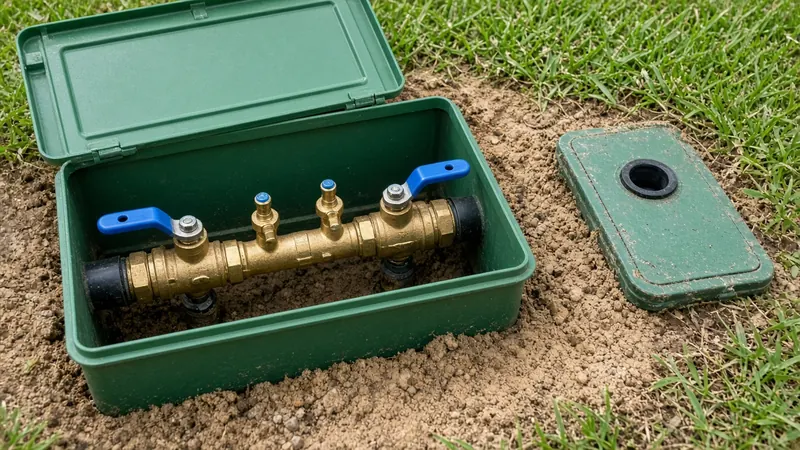
- Close the irrigation shut-off valve, usually just before the backflow device or in a box near the meter.
- Drain the backflow device. Open the small test cocks a quarter turn with a flat screwdriver to release water. Some technicians recommend leaving the ball valves at a 45-degree angle so water is not trapped. Follow the advice for your device type.
- Insulate. Wrap the device and exposed pipe with an insulated cover or pipe insulation, and keep it dry.
Do you need a blowout?
Northern systems are blown out with compressed air every fall. Here, freezes are usually short and the ground does not freeze deep, so a blowout is not usually needed. Too much air pressure can damage a system. For a long, severe forecast or an extended absence, ask us.
After the freeze
Once it is well above freezing:
- Check the backflow device for cracks or bulges.
- Close the test cocks and return the ball valves to their normal position.
- Open the irrigation shut-off slowly. If water sprays from the device, close it and call.
- Watch the meter with everything off. If the leak indicator moves, there may be damage on the mainline.
- Run each zone and look for geysers and wet spots.
- Turn the controller back on with a winter schedule.
Winter watering
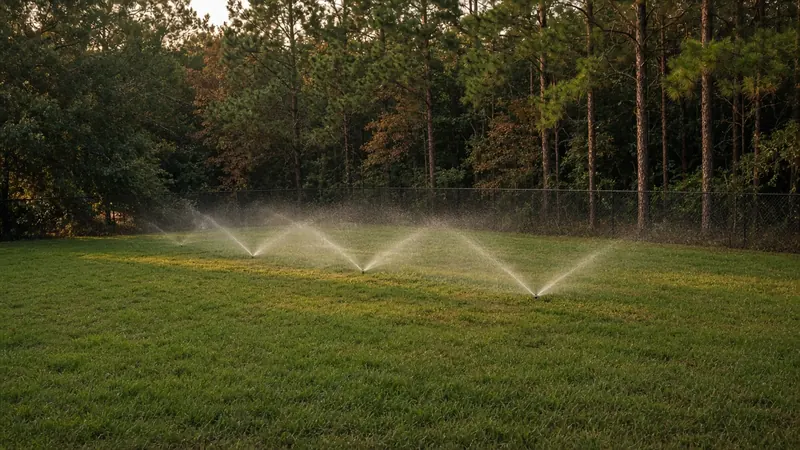
Warm-season lawns go dormant in winter and need little water. In a long dry spell, a light watering helps, and moist soil holds heat better than dry soil before a freeze.
Call us
If you want help preparing for a freeze, or something broke after one, call (346) 627-2444. See also backflow basics.
Have a question this did not answer? Call (346) 627-2444 and ask. More articles on the blog.